Dollar-cost averaging
calculator
Dollar-cost averaging means investing the same amount on a schedule. Enter a monthly amount, an expected return and a horizon to project the future value.
Prefer a physical calculator?
A few solid picks. As an Amazon Associate, Calculate.to earns from qualifying purchases, at no extra cost to you.
 OSALO Desktop Calculator
Extra-large 12-digit LCD, giant buttons, solar + battery, the classic office desk workhorse.
View on Amazon →
OSALO Desktop Calculator
Extra-large 12-digit LCD, giant buttons, solar + battery, the classic office desk workhorse.
View on Amazon →
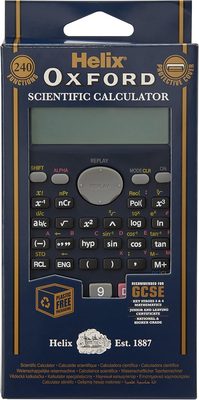
 Helix Oxford Scientific
240-function scientific calculator for KS3–KS4 maths, with hard cover. Exam-friendly, plastic-free packaging.
View on Amazon →
Helix Oxford Scientific
240-function scientific calculator for KS3–KS4 maths, with hard cover. Exam-friendly, plastic-free packaging.
View on Amazon →
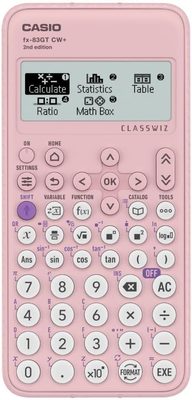
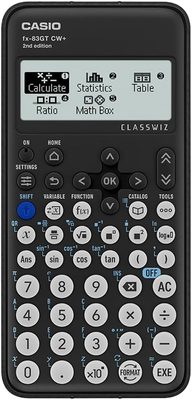
 Casio fx-83GTCW+
The UK classroom-standard scientific calculator (also in pink), allowed in most UK exams.
View on Amazon →
Casio fx-83GTCW+
The UK classroom-standard scientific calculator (also in pink), allowed in most UK exams.
View on Amazon →
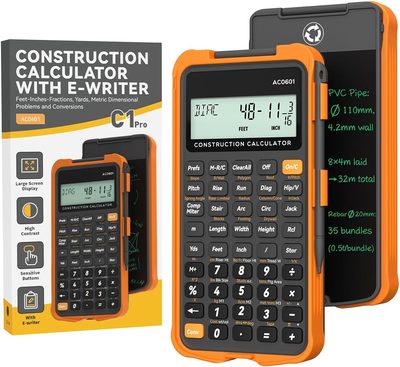
 ROATEE Construction Calc
Feet-inch-fraction engineering calculator for carpenters, framers and contractors on site.
View on Amazon →
ROATEE Construction Calc
Feet-inch-fraction engineering calculator for carpenters, framers and contractors on site.
View on Amazon →
How the projection works
Each monthly contribution compounds at the return you set for the months it stays invested, so the earliest deposits grow the most. Adding them all gives the future value; subtract what you put in to see how much is growth. It uses monthly compounding.
What to expect
Real returns are not steady; markets rise and fall, and dollar-cost averaging smooths your entry price by buying more units when prices are low. Treat the number as a planning estimate at an average rate, not a guarantee, and note that inflation lowers what the final sum buys. Compare a lump sum with compound interest.
Dollar-cost averaging FAQ
Investing a fixed amount at regular intervals regardless of price, which averages your purchase cost over time.
No single year matches the average, but a long-run average is a reasonable planning assumption. Real markets are volatile.
No. The figure is in today’s contribution terms; inflation reduces the future purchasing power of the result.
This assumes end-of-month contributions, the common convention. Start-of-month would grow slightly more.