Test score
calculator
A test score is just the marks you got over the marks available, turned into a percentage and a letter. Enter both and see your grade and how many you missed.
Doing it by hand too?
A few solid picks. As an Amazon Associate, Calculate.to earns from qualifying purchases, at no extra cost to you.
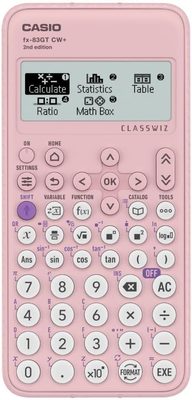
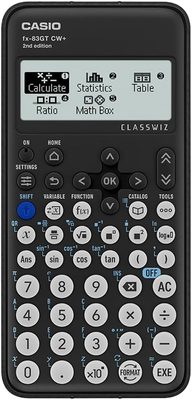
 Casio fx-83GTCW+
The UK classroom-standard scientific calculator (also in pink), allowed in most UK exams.
View on Amazon →
Casio fx-83GTCW+
The UK classroom-standard scientific calculator (also in pink), allowed in most UK exams.
View on Amazon →
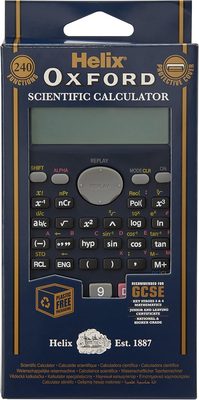
 Helix Oxford Scientific
240-function scientific calculator for KS3–KS4 maths, with hard cover. Exam-friendly, plastic-free packaging.
View on Amazon →
Helix Oxford Scientific
240-function scientific calculator for KS3–KS4 maths, with hard cover. Exam-friendly, plastic-free packaging.
View on Amazon →
 OSALO Desktop Calculator
Extra-large 12-digit LCD, giant buttons, solar + battery, the classic office desk workhorse.
View on Amazon →
OSALO Desktop Calculator
Extra-large 12-digit LCD, giant buttons, solar + battery, the classic office desk workhorse.
View on Amazon →
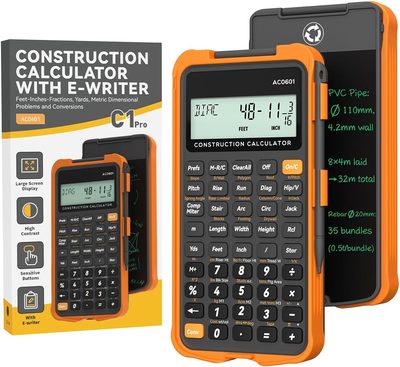
 ROATEE Construction Calc
Feet-inch-fraction engineering calculator for carpenters, framers and contractors on site.
View on Amazon →
ROATEE Construction Calc
Feet-inch-fraction engineering calculator for carpenters, framers and contractors on site.
View on Amazon →
Score to grade
Your percentage is points earned divided by points available, times 100. The letter grade then comes from a standard scale: 90 and up is an A, the 80s a B, the 70s a C, the 60s a D, and below 60 an F, with plus and minus bands at the edges.
Scales can differ
The letter bands here follow the common US scale, but schools vary; some drop the plus and minus, some set the pass mark higher or lower. Use it as a quick guide and check your syllabus for the exact cut-offs. To combine several graded pieces, use the weighted grade tool.
Test score FAQ
Points earned divided by total points, times 100. So 27 out of 30 is 90 percent.
A standard US scale: 90+ is A, 80s B, 70s C, 60s D, under 60 F, with plus and minus near the boundaries.
Yes. Scoring above the total works: if you earn 52 on a 50-point test, it simply reads over 100 percent.
No, this is the raw score to grade. If your class is curved, your final grade may end up higher than the raw percentage.