Waist-to-height
calculator
Waist-to-height ratio is a quick health marker: keep your waist under half your height. Enter both in the same units to see your ratio and category.
Prefer a physical calculator?
A few solid picks. As an Amazon Associate, Calculate.to earns from qualifying purchases, at no extra cost to you.
 OSALO Desktop Calculator
Extra-large 12-digit LCD, giant buttons, solar + battery, the classic office desk workhorse.
View on Amazon →
OSALO Desktop Calculator
Extra-large 12-digit LCD, giant buttons, solar + battery, the classic office desk workhorse.
View on Amazon →
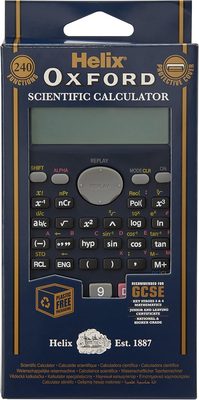
 Helix Oxford Scientific
240-function scientific calculator for KS3–KS4 maths, with hard cover. Exam-friendly, plastic-free packaging.
View on Amazon →
Helix Oxford Scientific
240-function scientific calculator for KS3–KS4 maths, with hard cover. Exam-friendly, plastic-free packaging.
View on Amazon →
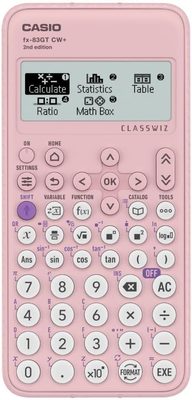
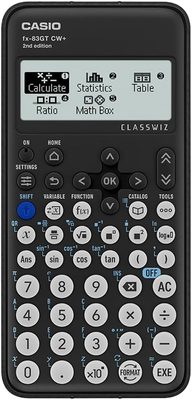
 Casio fx-83GTCW+
The UK classroom-standard scientific calculator (also in pink), allowed in most UK exams.
View on Amazon →
Casio fx-83GTCW+
The UK classroom-standard scientific calculator (also in pink), allowed in most UK exams.
View on Amazon →
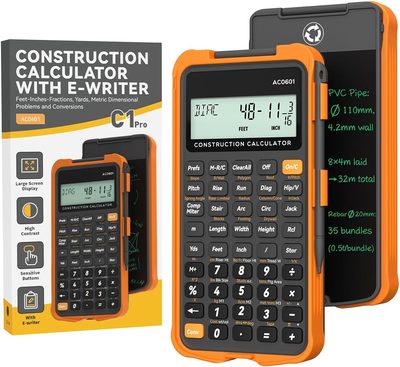
 ROATEE Construction Calc
Feet-inch-fraction engineering calculator for carpenters, framers and contractors on site.
View on Amazon →
ROATEE Construction Calc
Feet-inch-fraction engineering calculator for carpenters, framers and contractors on site.
View on Amazon →
The half-your-height rule
Divide your waist measurement by your height, in the same units, and aim to keep it under 0.5. So a person 175 cm tall should keep their waist under about 88 cm. It is a simple screen for central fat, which sits around the organs and carries the most risk.
How to read it
Below 0.5 is generally considered healthy; 0.5 to 0.6 suggests increased risk; above 0.6 is high. Measure your waist at the midpoint between the lowest rib and the top of the hip bone, relaxed, not sucked in. It works alongside BMI and captures body shape that BMI misses.
Waist-to-height FAQ
Around the midpoint between your lowest rib and the top of your hip bone, breathing out normally, tape snug but not tight.
Under 0.5 for most adults. Keeping your waist below half your height is the simple guideline.
It is a useful complement: it flags central fat that BMI can miss, especially in people who are muscular or carry weight around the middle.
No, as long as waist and height use the same unit, since the ratio divides like by like.