Speed
converter
Speed is the same motion measured in different units. Enter a value in any one, choose what to convert to, and the others update instantly.
Prefer a physical calculator?
A few solid picks. As an Amazon Associate, Calculate.to earns from qualifying purchases, at no extra cost to you.
 OSALO Desktop Calculator
Extra-large 12-digit LCD, giant buttons, solar + battery, the classic office desk workhorse.
View on Amazon →
OSALO Desktop Calculator
Extra-large 12-digit LCD, giant buttons, solar + battery, the classic office desk workhorse.
View on Amazon →
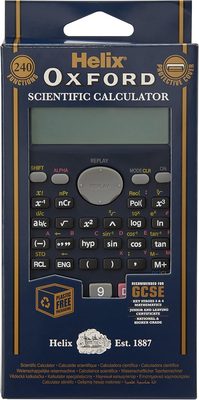
 Helix Oxford Scientific
240-function scientific calculator for KS3–KS4 maths, with hard cover. Exam-friendly, plastic-free packaging.
View on Amazon →
Helix Oxford Scientific
240-function scientific calculator for KS3–KS4 maths, with hard cover. Exam-friendly, plastic-free packaging.
View on Amazon →
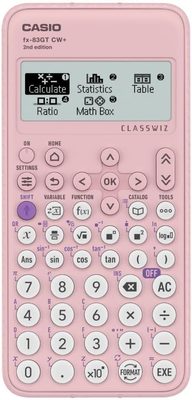
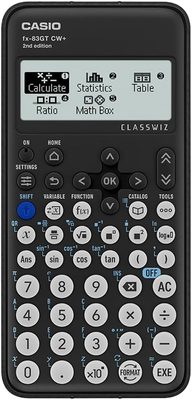
 Casio fx-83GTCW+
The UK classroom-standard scientific calculator (also in pink), allowed in most UK exams.
View on Amazon →
Casio fx-83GTCW+
The UK classroom-standard scientific calculator (also in pink), allowed in most UK exams.
View on Amazon →
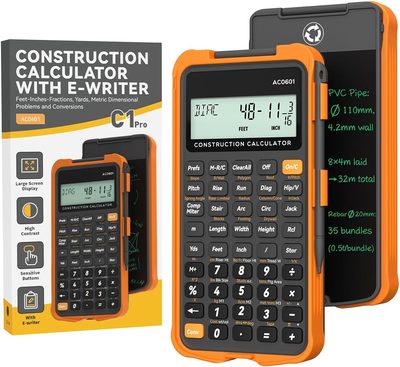
 ROATEE Construction Calc
Feet-inch-fraction engineering calculator for carpenters, framers and contractors on site.
View on Amazon →
ROATEE Construction Calc
Feet-inch-fraction engineering calculator for carpenters, framers and contractors on site.
View on Amazon →
The reference points
One mph is 1.609 km/h; one metre per second is 3.6 km/h; a knot is one nautical mile per hour, about 1.15 mph, used at sea and in the air. Everything here converts through metres per second as a common base.
Where each unit shows up
Road speeds use mph or km/h, physics and athletics use metres per second, ships and planes use knots, and feet per second turns up in ballistics and US engineering. Converting is just the ratios, with no rounding until the number is displayed.
Speed converter FAQ
Almost exactly 96.6 km/h, since one mile is 1.609 kilometres.
One nautical mile per hour, about 1.151 mph or 1.852 km/h. It is standard for sea and air navigation.
Divide by 3.6. So 36 km/h is 10 metres per second.
It depends on the country: US and UK road signs use mph, most of the world uses km/h.