Roman numeral
converter
Roman numerals build seven letters into numbers using addition and a subtraction rule. Type a number to get the numeral, or a numeral to get the number, up to 3999.
Doing it by hand too?
A few solid picks. As an Amazon Associate, Calculate.to earns from qualifying purchases, at no extra cost to you.
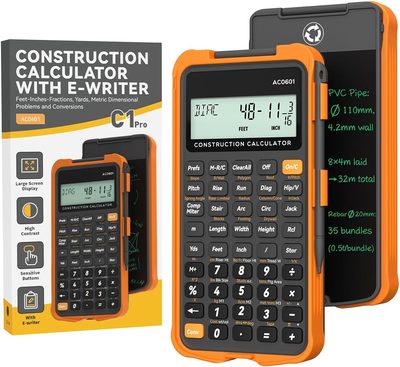 Casio fx-83GTCW+
The UK classroom-standard scientific calculator (also in pink), allowed in most UK exams.
View on Amazon →
Casio fx-83GTCW+
The UK classroom-standard scientific calculator (also in pink), allowed in most UK exams.
View on Amazon →
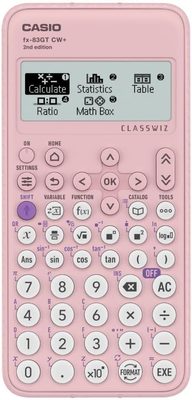 Helix Oxford Scientific
240-function scientific calculator for KS3–KS4 maths, with hard cover. Exam-friendly, plastic-free packaging.
View on Amazon →
Helix Oxford Scientific
240-function scientific calculator for KS3–KS4 maths, with hard cover. Exam-friendly, plastic-free packaging.
View on Amazon →
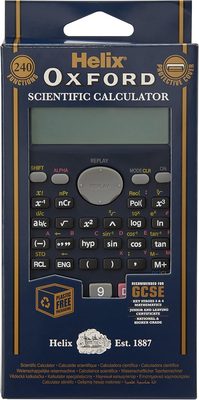 OSALO Desktop Calculator
Extra-large 12-digit LCD, giant buttons, solar + battery, the classic office desk workhorse.
View on Amazon →
OSALO Desktop Calculator
Extra-large 12-digit LCD, giant buttons, solar + battery, the classic office desk workhorse.
View on Amazon →
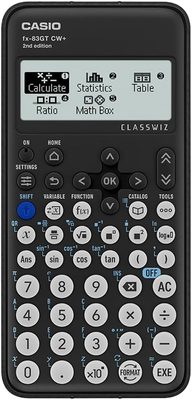 ROATEE Construction Calc
Feet-inch-fraction engineering calculator for carpenters, framers and contractors on site.
View on Amazon →
ROATEE Construction Calc
Feet-inch-fraction engineering calculator for carpenters, framers and contractors on site.
View on Amazon →
How Roman numerals work
Seven letters carry values: I is 1, V 5, X 10, L 50, C 100, D 500, M 1000. You add from large to small, except when a smaller letter sits before a larger one, which subtracts, so IV is 4 and IX is 9. There is no zero.
The range and the rules
Standard numerals run from 1 to 3999, because there is no plain-text symbol for 5000 and above without overlines. A letter repeats at most three times in a row, and only I, X and C are used for subtraction. The converter checks both directions against these rules.
Roman numeral FAQ
Above 3999 you need overlines, a bar meaning times 1000, which are not standard plain text, so most converters cap at MMMCMXCIX, which is 3999.
No. The system has no symbol for zero; the idea was written as the word nulla when it was needed.
Yes. Type letters like MCMLXXXIV and it returns the number, after checking that the numeral is validly formed.
The subtractive rule keeps numerals short: IV, one before five, rather than IIII. Clock faces sometimes use IIII for style, but IV is standard.