Pregnancy week
calculator
Pregnancy is dated from the first day of your last period, not conception. Enter that date to see how far along you are, your due date and your trimester.
Prefer a physical calculator?
A few solid picks. As an Amazon Associate, Calculate.to earns from qualifying purchases, at no extra cost to you.
 OSALO Desktop Calculator
Extra-large 12-digit LCD, giant buttons, solar + battery, the classic office desk workhorse.
View on Amazon →
OSALO Desktop Calculator
Extra-large 12-digit LCD, giant buttons, solar + battery, the classic office desk workhorse.
View on Amazon →
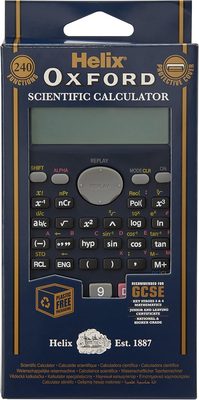
 Helix Oxford Scientific
240-function scientific calculator for KS3–KS4 maths, with hard cover. Exam-friendly, plastic-free packaging.
View on Amazon →
Helix Oxford Scientific
240-function scientific calculator for KS3–KS4 maths, with hard cover. Exam-friendly, plastic-free packaging.
View on Amazon →
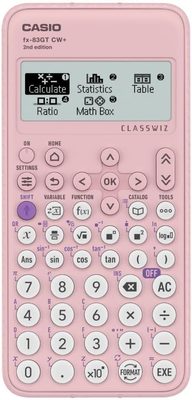
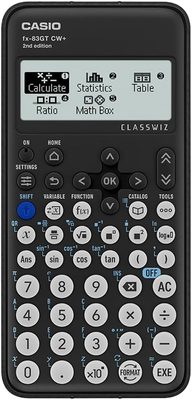
 Casio fx-83GTCW+
The UK classroom-standard scientific calculator (also in pink), allowed in most UK exams.
View on Amazon →
Casio fx-83GTCW+
The UK classroom-standard scientific calculator (also in pink), allowed in most UK exams.
View on Amazon →
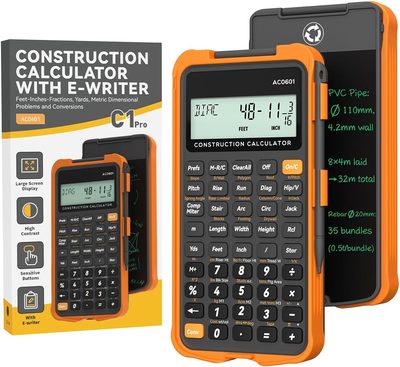
 ROATEE Construction Calc
Feet-inch-fraction engineering calculator for carpenters, framers and contractors on site.
View on Amazon →
ROATEE Construction Calc
Feet-inch-fraction engineering calculator for carpenters, framers and contractors on site.
View on Amazon →
How dating works
By convention pregnancy is counted in weeks from the first day of your last menstrual period, which is about two weeks before conception. Full term is 40 weeks, and the estimated due date is that first day plus 280 days.
An estimate, not a fixed date
Only about 1 in 20 babies arrive exactly on the due date; most come in the two weeks either side, and a dating scan may adjust it. Trimesters run roughly weeks 1 to 12, 13 to 26 and 27 onward. This is a general guide, not medical advice; your midwife or doctor gives the figures that count. See also the due date tool.
Pregnancy week FAQ
Because the last period is a known date, while the exact day of conception usually is not. It adds about two weeks versus conception age.
It is the first day of your last period plus 280 days, which is 40 weeks.
Probably not exactly. Only around 1 in 20 do; most arrive within two weeks either side.
No. It is a general guide. Your midwife or doctor, and any dating scan, give the figures to rely on.